
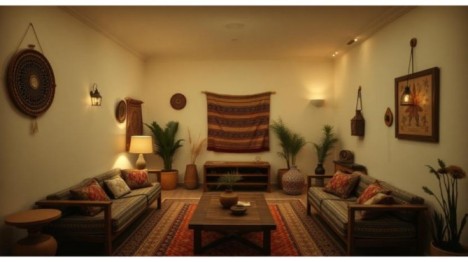
Ponadiza is more than just a term, it’s a concept that bridges the gap between tradition and modern creativity. Rooted in cultural heritage yet evolving with contemporary design, Ponadiza represents a unique blend of craftsmanship, storytelling, and artistic expression.
Whether you’re a designer, architect, or simply someone curious about cultural aesthetics, understanding Ponadiza opens the door to a world where history and innovation coexist beautifully. Let’s explore its meaning, origins, uses, and how it continues to shape modern design.
What is Ponadiza?
Ponadiza refers to the harmonious fusion of traditional craftsmanship with modern design elements. It embodies the idea that heritage and innovation can work together to create something truly meaningful and visually striking.
At its core, Ponadiza is not just about appearance—it’s about identity. Each piece or design inspired by Ponadiza carries cultural stories, values, and artistic dedication passed down through generations.
In today’s fast-paced world, Ponadiza encourages us to slow down and appreciate detail, craftsmanship, and authenticity. It invites designers to reconnect with cultural roots while reimagining them for modern living.
Why is Ponadiza Culturally Significant?
Ponadiza holds deep cultural and historical importance. Its origins are tied to long-standing traditions where art and functionality were inseparable.
Across different cultures, Ponadiza-inspired creations have been used in ceremonies, rituals, and communal celebrations. These pieces often symbolize unity, identity, and shared values within a community.
What makes Ponadiza particularly special is its storytelling nature. Every design carries meaning whether it reflects folklore, historical events, or generational wisdom. Even as styles evolve, this core essence remains intact, making Ponadiza a timeless cultural bridge.
How Was Ponadiza Traditionally Used?
Traditionally, Ponadiza played a vital role in everyday life and special occasions.
Artisans often used it to create:
- Textiles with intricate patterns that represented cultural identity and social status
- Ceremonial clothing worn during weddings, festivals, and important rituals
- Home décor items like wall hangings and table runners that preserved heritage
- Accessories such as handmade jewelry and bags crafted with great precision
These items were not just decorative, they were deeply meaningful. Each piece reflected the history, beliefs, and craftsmanship of the people who created it.
How is Ponadiza Used in Modern Design?
Today, Ponadiza is experiencing a creative revival. Designers are incorporating its principles into contemporary spaces and products in exciting ways.
Interior Design
Ponadiza elements add warmth and character to modern interiors. From textured wall art to handcrafted furniture, these designs create visually rich and meaningful environments.
Fashion Industry
Fashion designers are embracing Ponadiza-inspired patterns and textures to create unique garments. This fusion results in wearable art that honors tradition while appealing to modern tastes.
Digital and Visual Arts
Artists are now exploring Ponadiza in digital formats, blending cultural symbolism with modern visuals. This helps preserve heritage while making it accessible to younger audiences.
Future Innovations
With advancements in technology, Ponadiza could extend into virtual reality and immersive design experiences, offering entirely new ways to interact with cultural art forms.
How to Design with Ponadiza Effectively?
Designing with Ponadiza is a creative journey that requires balance and intention. Here are some practical tips:
- Understand the material: Appreciate its textures, patterns, and natural characteristics
- Mix thoughtfully: Combine Ponadiza with modern elements for contrast and depth
- Choose the right colors: Use tones that complement its natural warmth or create bold visual statements
- Use proper lighting: Highlight intricate details to enhance visual appeal
- Maintain balance: Let Ponadiza enhance your design rather than overpower it
When used thoughtfully, Ponadiza can transform ordinary spaces into meaningful and visually engaging environments.
What Mistakes Should You Avoid?
While working with Ponadiza, avoiding common pitfalls is essential to maintaining authenticity and quality:
- Ignoring cultural context: Understanding its origins ensures respectful and meaningful design
- Overcomplicating designs: Simplicity often highlights beauty more effectively
- Clashing color schemes: Poor color choices can disrupt the harmony of the design
- Using low-quality materials: This reduces both durability and visual impact
- Overusing the element: Too much Ponadiza can overwhelm the overall aesthetic
Keeping these points in mind helps maintain the integrity and beauty of Ponadiza-inspired work.
Conclusion
Ponadiza stands as a powerful symbol of how tradition and innovation can coexist. From its deep cultural roots to its modern-day applications, it continues to inspire designers and artists around the world.
By incorporating Ponadiza into design thoughtfully, you can create spaces and pieces that are not only visually stunning but also rich in meaning. It’s more than decoration, it’s a celebration of craftsmanship, culture, and creativity.
As the demand for sustainable and culturally aware design grows, Ponadiza offers a perfect path forward. Embrace its essence, experiment with its possibilities, and let it inspire creations that resonate on both emotional and artistic levels.